

What is MSN Direct?
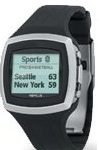
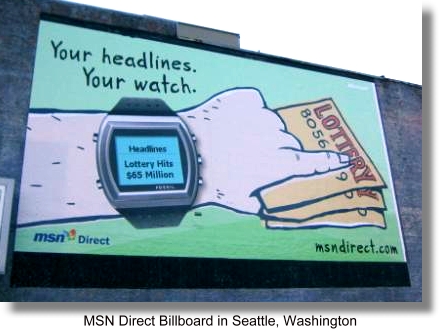
MSN Direct is a subscription-based service that allows Smart Watch owners to receive specialized content on their watch. This content can be customized by the user, and can include news, weather, stocks, traffic, personal messages, appointment reminders (from Outlook) and more. A Smart Watch is shown here on the right.
Bonus: For a good video demonstration of the watch, see this hip commercial from 2003.
How did you develop the Help?
To ramp up quickly, I networked with managers, developers, testers, and others in the production lifecycle. I also reviewed specifications for any aspect of the product that may affect the user experience, even aspects the user may be unaware of but reliant upon. I wanted to get a holistic understanding of the entire user experience, from top to bottom, so I could best help the user to fully enjoy everything the service offers.
Concurrent with my research, I developed Version 1 of the Help in XML usingXMetal 4.0. I had no previous experience with XML, nor with XMetal, so I was learning a different language, a new tool, and the product itself, simultaneously. Although XML templates were provided, I had to use my own discretion as to which templates to use, and what XML elements should be employed in each template.


I created over 100 XML files for the Help. However, no web-related project management tool was provided. A web-related project management tool helps the developer avoid broken links, lost data, or other pit-falls common to creating a website.
Consequently, I had to create my own project management tool to organize everything from the global structure down to tracking individual file names. My tool also allowed my manager to track my progress and to set project milestones.
After receiving feedback from project managers and a technical editor on staff, I made the necessary changes to the Help, while keeping the current build live for internal users. “Keeping a build live” involved working with other developers to track these XML files through the conversion process to HTML, and finally to a single CHM file that is served from the MSN Help servers.
Finally, Version 1 of the Help for MSN Direct went live to the general public in October of 2003, and I am fortunate to have been the primary contributor to this aspect of our final product.